Our Focus

A holistic approach to climate resilience.

We address the environmental, social, and political dimensions of the climate crisis simultaneously. Our work spans six interconnected focus areas that reinforce and amplify each other.

01

Youth Empowerment & Climate Education

Young people are The Gambia's greatest resource. We invest in youth capacity at every level, from primary school classrooms to international climate negotiations.

  • School-based climate education workshops reaching thousands of students
  • Eco-Clubs in 18+ schools to build long-term youth environmental stewardship
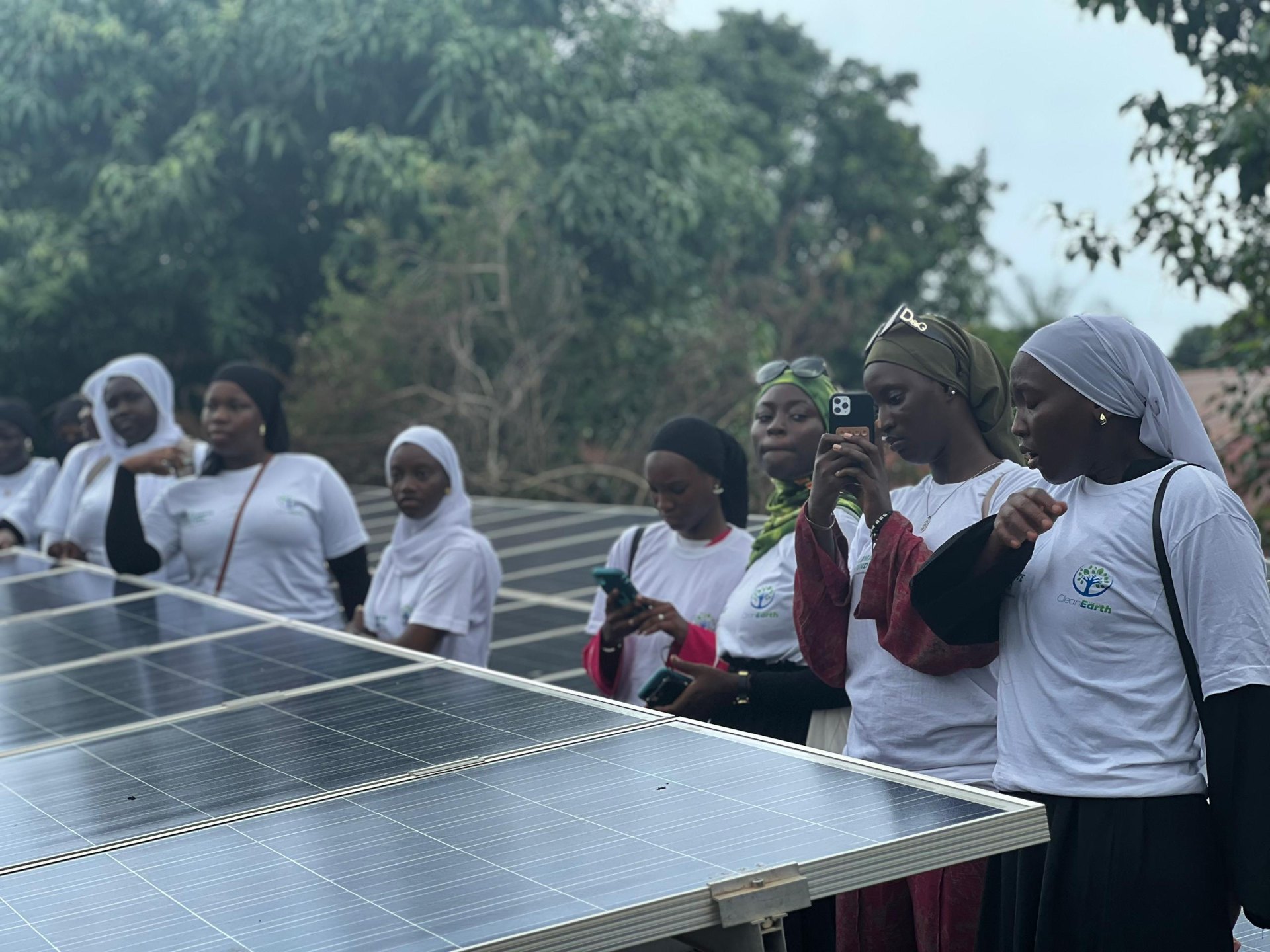
  • She-Climate Leadership Fellowship for young women from all seven regions
  • Green Solutions Challenge: national innovation competition for environmental entrepreneurs
  • Art4Earth: using art, creativity, and culture to raise climate awareness
  • Youth advocacy training in partnership with UNICEF Gambia
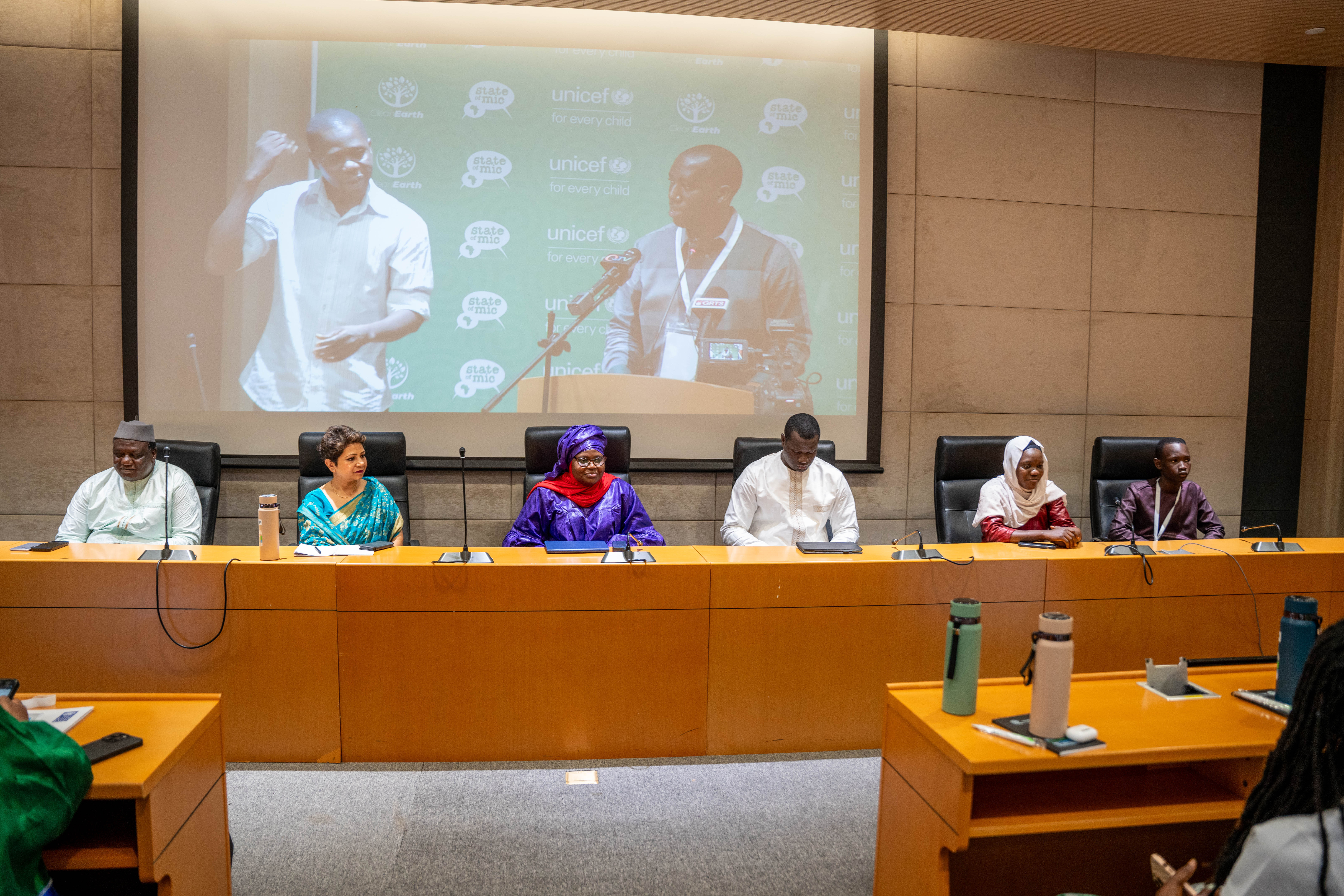
  • First National Children and Youth Conference on Climate Change (2024)

02

Ecosystem Restoration & Reforestation

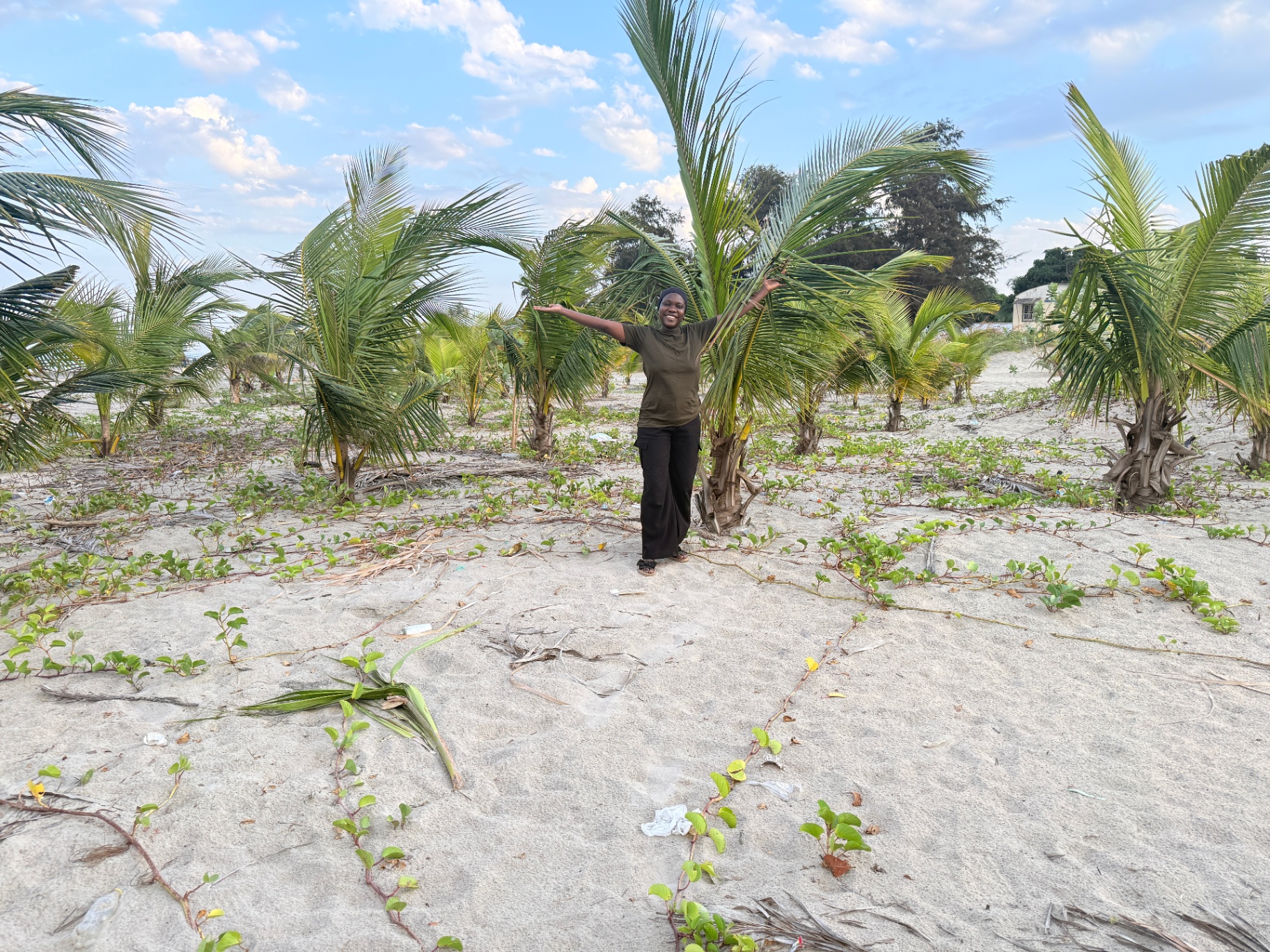
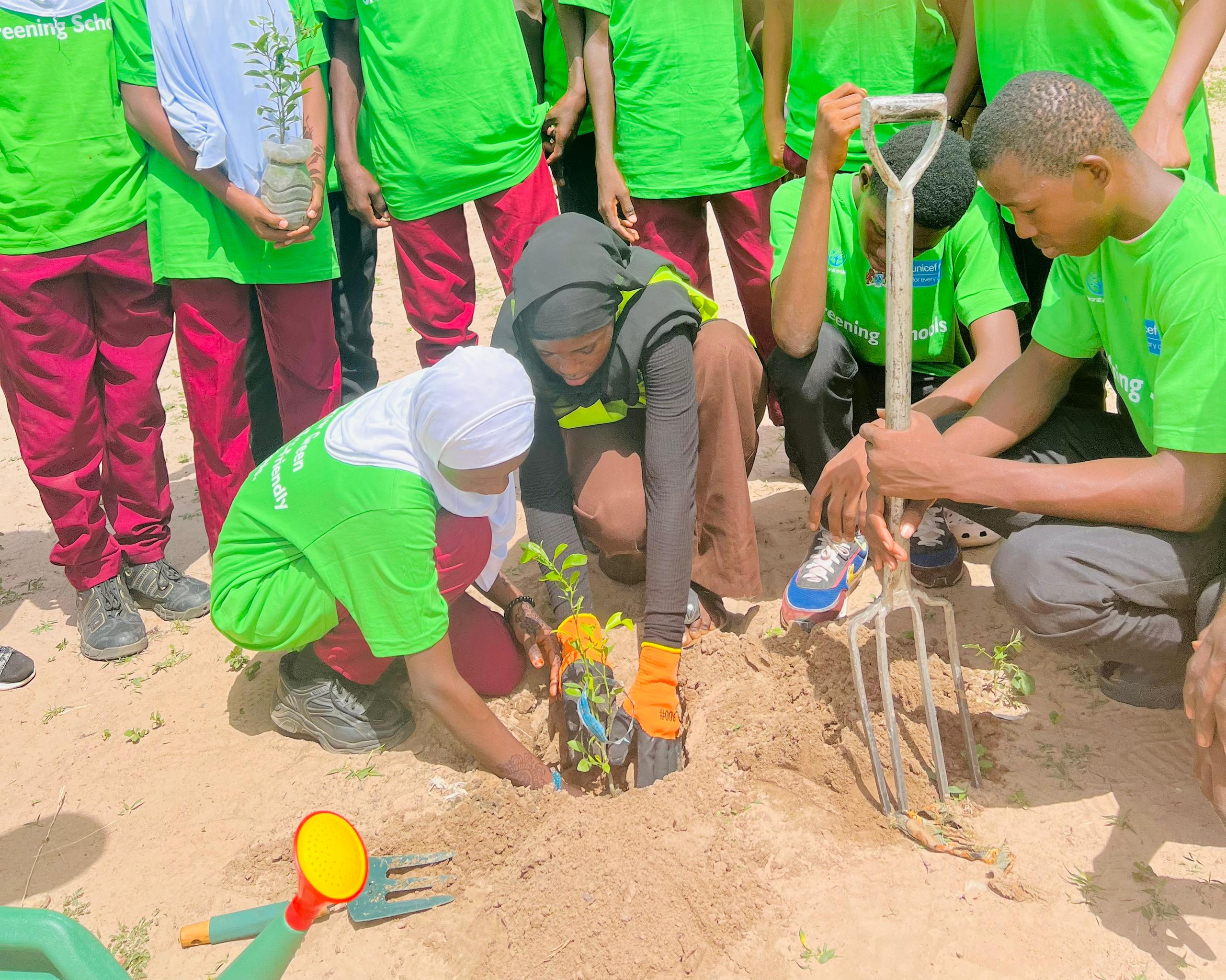
Since 2017, we have planted over 45,000 trees across The Gambia, including 14,000 coconut trees along Banjul's coastline as a nature-based defence against rising sea levels.

  • Tree-planting campaigns in schools, forests, reserves, and communities
  • Banjul Beach planting of 14,000+ coconut trees with Future Proof and Banjul City Council
  • Community greening initiatives with local councils and institutions
  • Community outreach and cleansing exercises
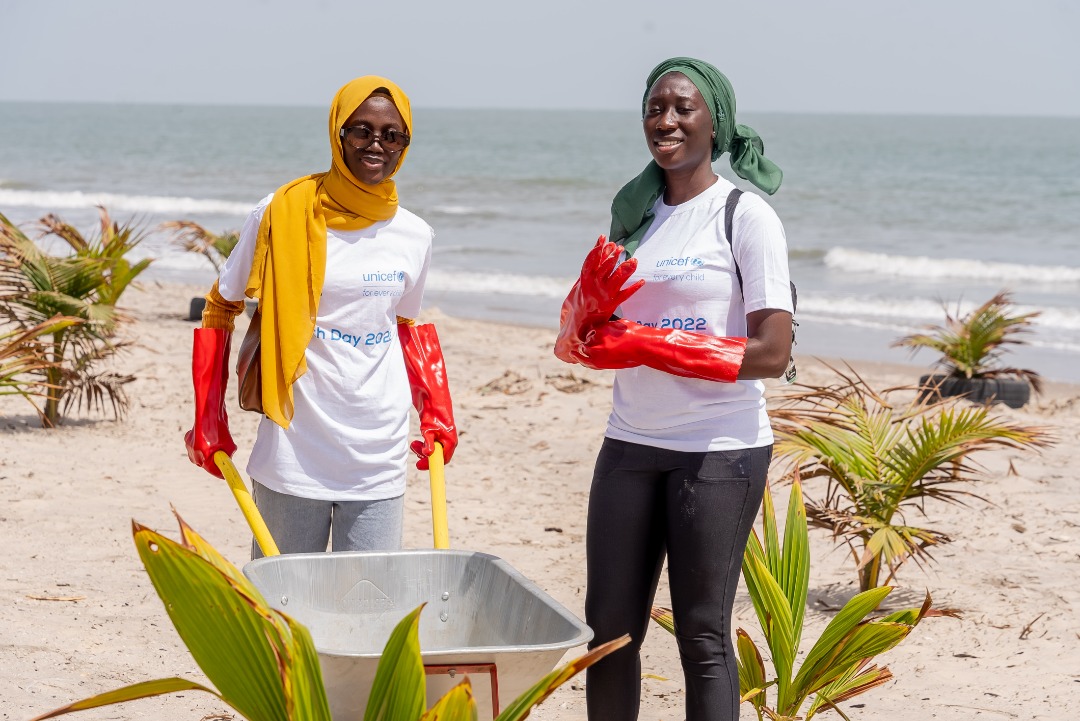
  • Environmental clean-up campaigns across communities and beaches

03

Gender & Climate Justice

Women and girls in The Gambia bear a disproportionate burden of climate change, yet their voices remain largely absent from the climate decisions that affect their lives. We centre gender in all of our work.

  • She-Climate Leadership Fellowship: a 7-month programme training 25 young women from all seven regions
  • Policy submissions on gender and climate change at UNFCCC from COP23 onwards
  • Land rights advocacy for women farmers
  • Community-based gender-responsive climate resilience projects
  • YOUNGO Women and Gender Working Group leadership (COP23 to COP27)
  • UNFPA joint working group on Gender and Sexual Reproductive Health and Rights

04

Policy & Advocacy

Real systemic change requires sustained engagement with the institutions that make the rules. We bring the lived realities of Gambian communities into policy spaces locally, nationally, and internationally.

  • First National Children and Youth Conference on Climate Change (2024) with UNICEF and Government of The Gambia
  • Side event at the Gambian Pavilion, COP28, Dubai (December 2023)
  • Participation at the UNCCD COP, Riyadh, Saudi Arabia (2025)
  • UNFCCC COP representations from COP23 (Bonn) through to present
  • UN ECOSOC Forum participation (2018, 2019)
  • UN Youth Climate Summit, one of 30 youth globally selected to organise the first-ever event (2019)
  • Africa Climate Week facilitation and participation
  • Policy submissions contributing to The Gambia's Nationally Determined Contributions

05

Coastal Resilience

The Gambia is ranked among the ten countries most at risk from coastal erosion and sea-level rise globally. Banjul itself faces the risk of submersion. We work with coastal communities to build nature-based defences.

  • Banjul Beach Coastal Tree Planting: 14,000+ coconut trees with Future Proof and Banjul City Council
  • Conservation and restoration advocacy
  • Community-based coastal adaptation planning
  • Disaster risk reduction awareness in coastal communities
  • Early warning systems advocacy through the UN Secretary-General's Early Warning for All Advisory Panel

06

Community Outreach & Environmental Awareness

Lasting environmental change begins in communities. We run extensive sensitisation programmes, education campaigns, clean-up exercises, and awareness drives reaching all seven regions of The Gambia.

  • Community clean-up campaigns and beach clean-up exercises
  • Radio, social media, and digital awareness campaigns
  • School engagement programmes and environmental education workshops
  • Art4Earth creative arts and storytelling for environmental engagement
  • Eco-Clubs established in schools to sustain environmental education
  • UNICEF-supported climate advocacy training for children and youth activists